




At HCA Hospice, this is where Dr Jonathan Ee plays a vital role. As Singapore’s only dedicated clinical psychologist working in home palliative care setting, Dr Ee supports patients, caregivers, volunteers and healthcare professionals through some of life’s most difficult moments, helping them navigate fear, grief, anxiety, and uncertainty with compassion and dignity.
Caring for the Whole Person
A life-limiting illness affects far more than the body. Patients may experience depression, anxiety, anger, hopelessness or fear of dying. Some struggle with identity loss as their roles shift from breadwinner, caregiver or active parent to someone receiving care. Others worry about being a burden to their loved ones, whether emotionally or financially.
Dr Ee works alongside HCA’s multidisciplinary team of doctors, nurses and medical social workers to provide psychotherapy and psychological support to patients receiving home hospice and day hospice care. Referrals are often made by nurses or medical social workers when emotional distress is observed.
He shares that one common misconception is that patients nearing end of life do not wish to talk about their feelings. In reality, many do.
“Patients often want someone safe to talk to. Sometimes families or healthcare professionals worry that discussing emotions may make patients feel worse. But being heard can itself be healing.”
Rather than focusing solely on death, Dr Ee helps patients reconnect with what still gives life meaning in the present — relationships, gratitude, memories, purpose and moments of joy.
Supporting Families and Caregivers
Serious illness affects entire families. Caregivers may experience exhaustion, anticipatory grief, guilt or emotional strain while caring for their loved one. Families can also struggle with difficult conversations or unresolved tensions.
Dr Ee provides counselling and bereavement support for caregivers and family members, helping them process stress, grief and emotional challenges before and after a loss. He notes that many family members carry self blame after a loved one passes, particularly if they feel they missed signs of distress. Creating safe spaces for honest conversations early can make a meaningful difference.
Caregivers who have worked with Dr Ee attest to the impact of his support. As Christina Ho shares, “Looking back to 2023, I realise how much trauma and grief we had to unpack regarding my father’s illness and our complicated history. His patience in addressing my emotional wounds and steady presence after Papa’s passing have been vital to my recovery. As I continue to work on letting go and moving forward, I feel much stronger knowing I have had his support.”
Another caregiver, SK, reflects, “He gave me the time, space, and safety to openly share my story, emotions, and pain. He listened intently without judgment, allowing me to cry, process my grief, and express my fears and confusion freely. Through his patience, empathy, and professionalism, he helped me better understand my emotions and guided me towards healing from trauma and loss.”
Through the compassionate care provided by Dr Ee, the emotional and psychological needs of families and caregivers are addressed, fostering healing, resilience, and stronger connections during challenging times.
Caring for Those Who Care
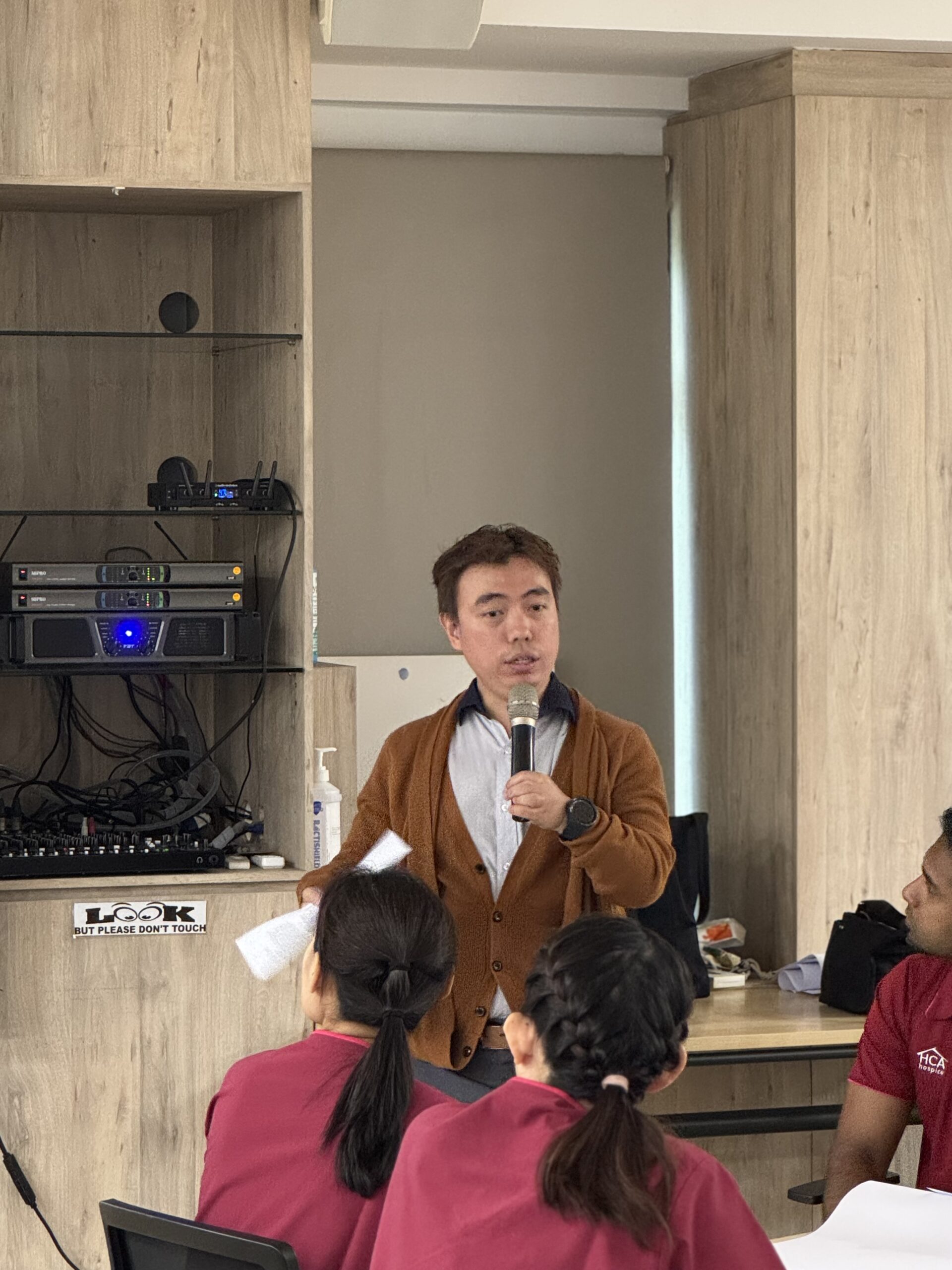
The emotional demands of hospice work can also weigh heavily on healthcare professionals and volunteers. They regularly accompany patients through decline, loss, and grief. Without support, unresolved emotions can lead to burnout, compassion fatigue, anxiety, or isolation.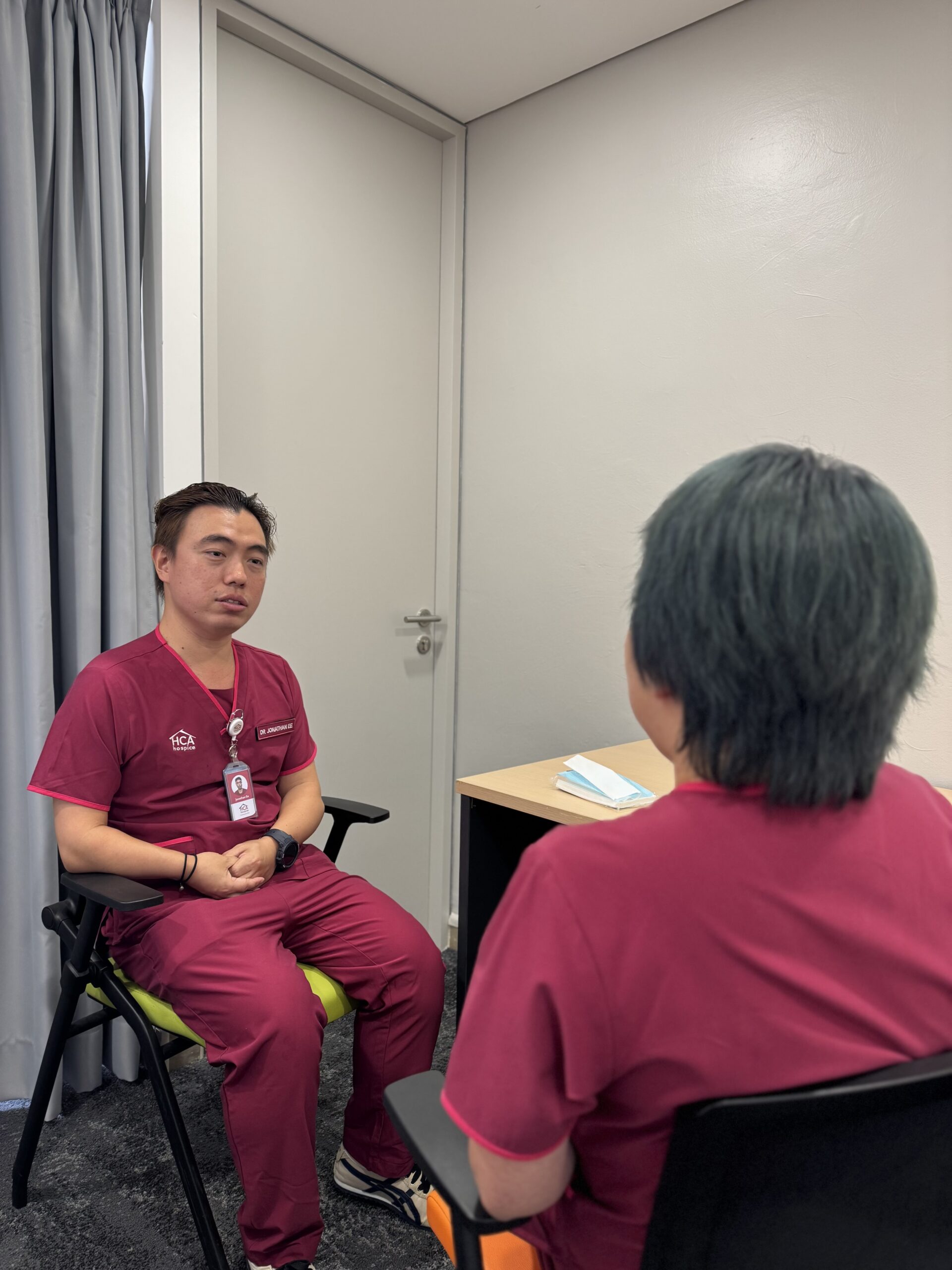
To support HCA’s team, Dr Ee leads staff wellness initiatives through individual counselling for staff adjusting to new roles or difficult cases, group reflective sessions where teams discuss challenges together, and workshops on emotional regulation, communication and self-care. He also creates safe spaces for staff to process grief following patient deaths.
These sessions help normalise emotional struggles and remind staff they do not have to carry the burden alone.
Equipping Volunteers with Confidence
Volunteers are an important part of HCA’s care ecosystem. To better prepare them, Dr Ee also conducts workshops on building rapport with patients, communication skills for sensitive conversations, managing grief when patients pass on and practical self-care strategies. By equipping volunteers with skills and supporting them emotionally, they are better able to offer compassionate presence to patients and families.
Advancing Palliative Psychology in Singapore
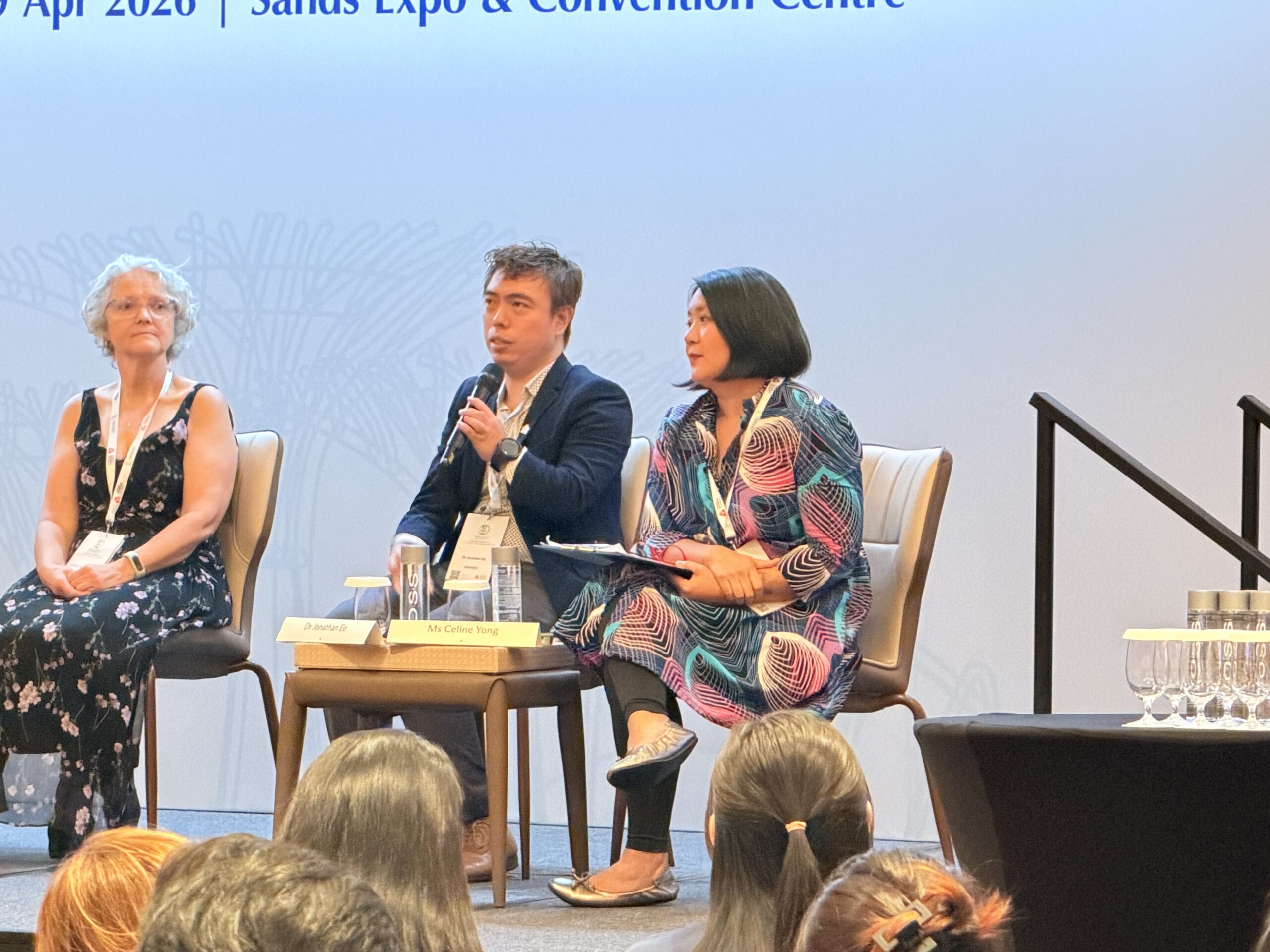
Beyond clinical work, Dr Ee is helping shape the future of psychosocial care in Singapore. He has contributed to establishing psychology services in palliative care, developing clinical pathways and mental health risk assessment procedures, evaluating HCA’s day hospice services, supervising healthcare professionals in their development, and supporting palliative care research and innovation.
He was also involved in piloting the Psycho-Existential Symptom Assessment Scale (PeSAS), first launched in Australia, to identify distress early and improve timely support for patients.
Breaking the Stigma
Palliative psychology remains a niche area, with no formal specialised training pathway currently available in Singapore. Dr Ee hopes more psychologists will consider entering this field.
There is a misconception that psychological treatment is less relevant for someone with limited time left. But Dr Ee challenges this belief.
“Even when cure is no longer possible, healing is still possible — emotionally, relationally, spiritually.”
This Mental Health Awareness Month
As we observe Mental Health Awareness Month in May, HCA Hospice hopes to raise awareness that mental health matters at every stage of life — including the final chapter.
Compassionate palliative care means caring not only for pain, but for fear. Not only for symptoms, but for sorrow. Not only for the body, but for the whole person.
Through professionals like Dr Ee, HCA continues to create good days — with dignity, comfort, and emotional support for all who need it most.