




Palliative care may involve irreversible outcomes, with families and patients having to confront emotional, personal and complex choices, but initiating conversations and making arrangements early about medical care and other matters around end-of-life will prepare patients and families to not only improve the quality of the remaining time but also focus attention on what is important at the end — building memories, saying what has to be said, and making peace.
One of the most practical steps anyone can take is to start conversations early. Advance Care Planning is often viewed as a formal administrative process, but at its core, it is simply about discussing preferences before it is too late. These discussions help clarify thought processes and values so that when patients are eventually unable to speak for themselves, others can advocate confidently on their behalf. Without these conversations, decisions tend to be made under time pressure and emotional strain, which can increase distress for everyone involved.
Treatment decisions at the end of life are rarely straightforward. In palliative practice, there are situations where continued medical intervention may not serve the patient’s best interests, a concept sometimes referred to as medical futility. Accepting this reality can be difficult, especially when families equate stopping treatment with giving up. At the same time, patients may choose to decline treatments such as chemotherapy due to side effects, existing medical conditions, or a desire to prioritise comfort. There are also instances where individuals explore alternative approaches outside conventional medicine. The healthcare team’s role is not to impose decisions, but to ensure that choices are informed, balanced, and made with a clear understanding of potential consequences.
Conversations become particularly challenging when stakeholders hold different perspectives. Patients, caregivers and healthcare professionals may each believe they are acting in the patient’s best interests yet disagree on how to proceed. Emotional responses such as shock, denial, or protective instincts can complicate dialogue further. In some cases, families may request that serious diagnoses be withheld from patients to protect them from distress. Navigating these situations requires acknowledging the motivations behind each viewpoint and grounding discussions in shared goals. When communication is clear and compassionate, it often becomes possible to redirect care in ways that better reflect the patient’s needs and realities.
Beyond medical decisions, the end of life raises deeply human considerations. Patients frequently face existential concerns, strained relationships, or unresolved emotions that cannot be addressed through clinical treatment alone. Families may carry regrets or find themselves unsure how to reconnect. In such circumstances, simple expressions — gratitude, love, forgiveness, and reconciliation — can carry profound meaning. Though these words may appear straightforward, speaking them often allows emotions to surface and creates opportunities for connection and closure.
Disagreements shaped by cultural beliefs, faith, or fear are also common. Maintaining compassion in these conversations is essential. When we acknowledge that all parties are motivated by a desire to help the patient, opposing views become less adversarial and more like alternatives to consider. Facilitated discussions that clarify medical realities, acknowledge emotional boundaries, and identify compromise can transform confrontational exchanges into constructive dialogue.
Families should also feel comfortable asking whether their loved ones are receiving the most appropriate care, even if that means seeking additional professional perspectives. Advocacy should not be perceived as distrust. Healthcare professionals themselves can become deeply involved in cases, and an objective viewpoint can sometimes help clarify direction. Asking questions is part of responsible caregiving and should be encouraged rather than avoided.
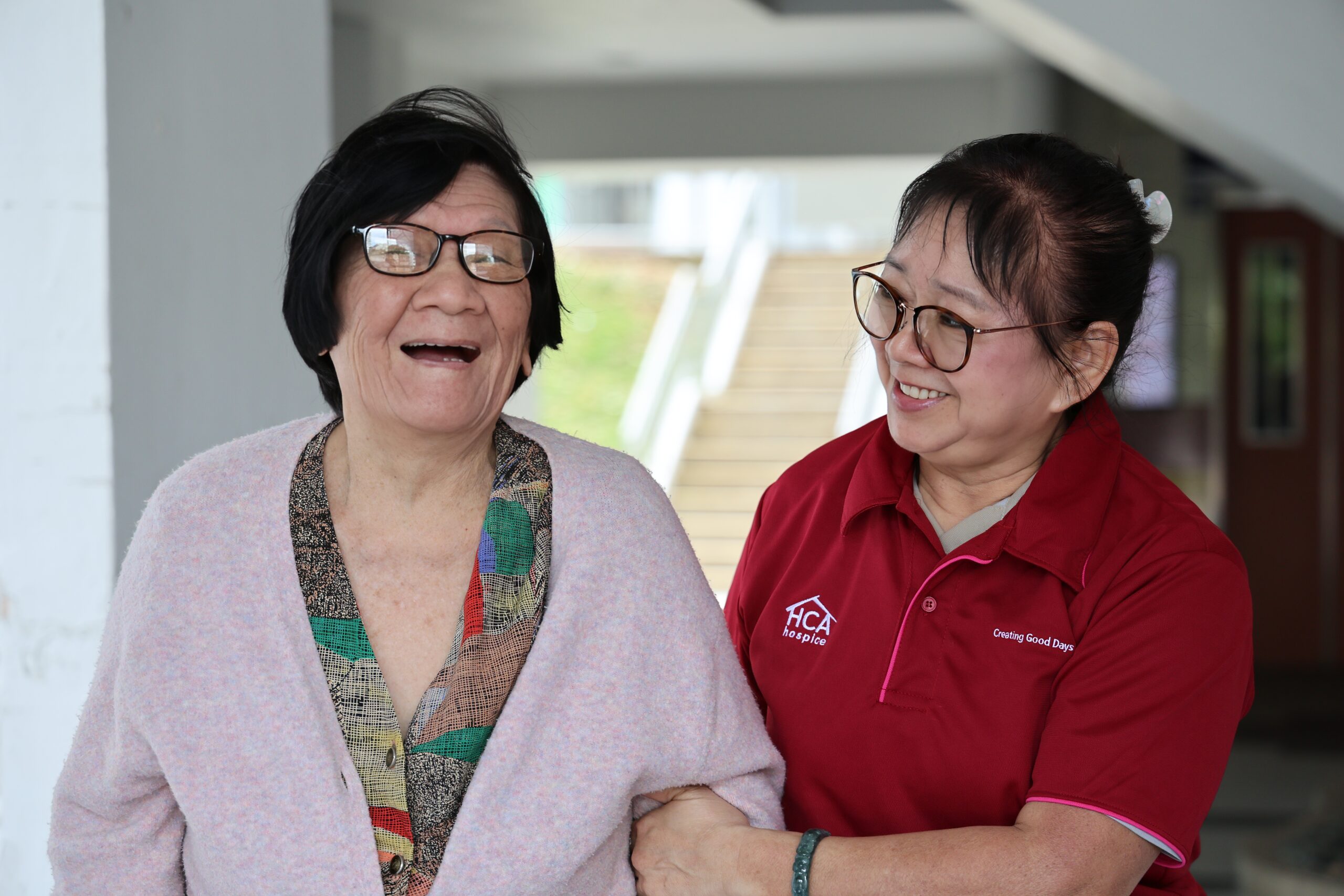
Leaving well is ultimately not about certainty or perfection. It is about recognising the limits of medicine, addressing practical and emotional matters early, and ensuring that care aligns with the individual’s values. Through preparation, honest discussion and mutual understanding, patients and families can navigate the final stage of life with greater clarity and dignity.
Palliative care exists to support these conversations, not only to manage symptoms, but to help people make sense of difficult choices. While death is inevitable, thoughtful engagement with the process can shape an ending that reflects meaning, compassion and respect.