



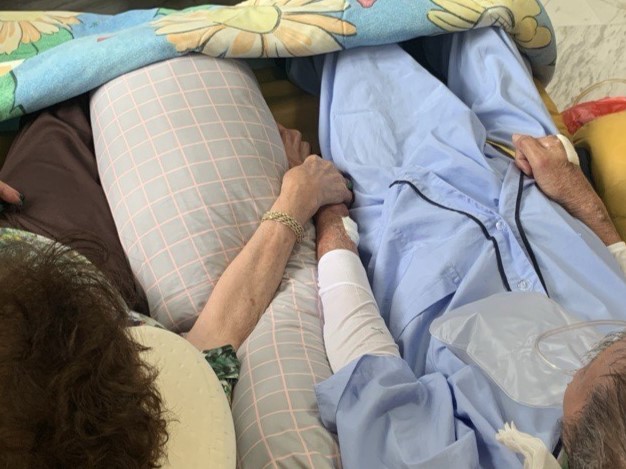
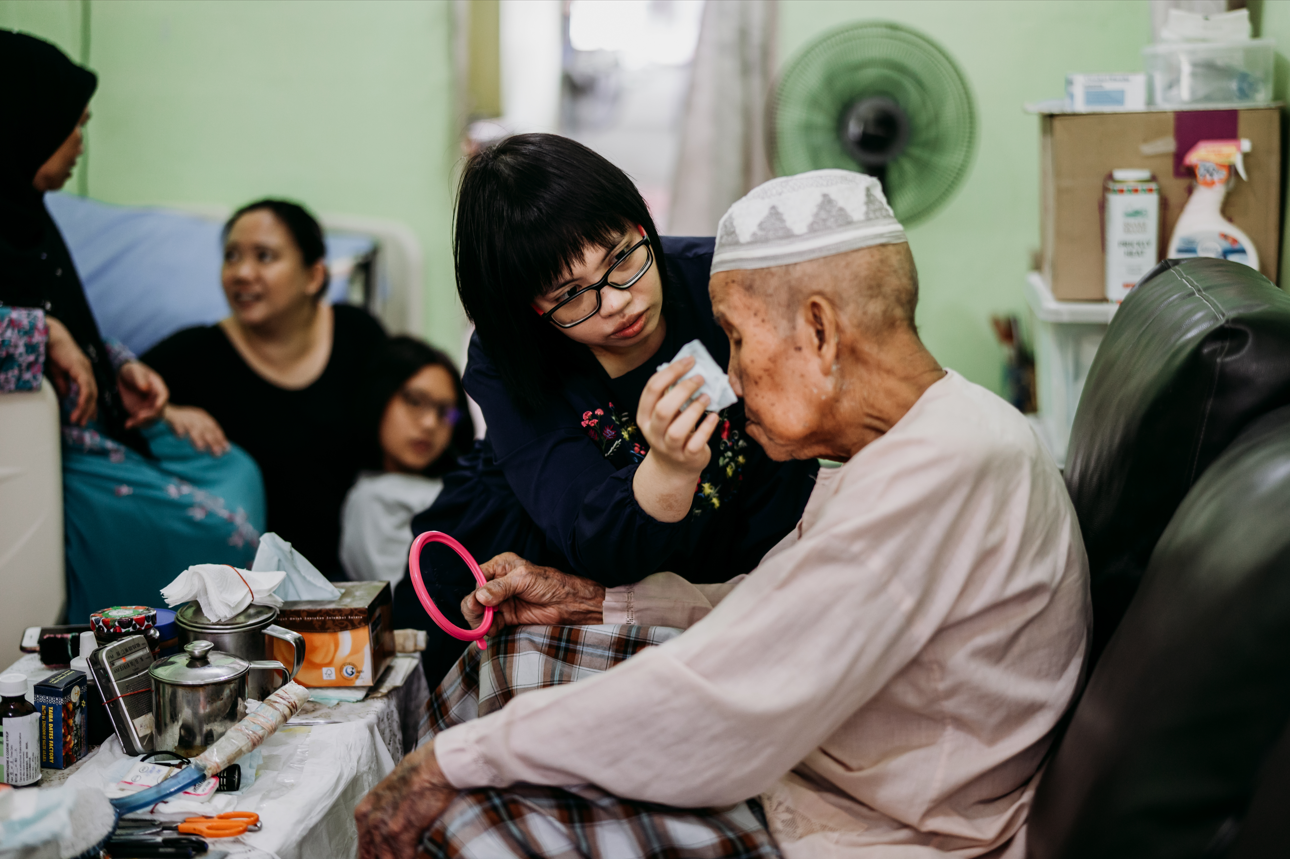
In end-of-life care, the patient is naturally the focus. However, just beyond the spotlight stands another vital figure who is often emotionally and physically exhausted: the caregiver. These loved ones, often family members, carry the immense responsibility of providing round-the-clock care while navigating their fears, grief and sacrifices.
Recognising The Weight Of The Role
Caregiving can be emotionally demanding and thankless, especially when layered with family tensions or the caregiver’s own health struggles. From waking in the night to soothe a loved one to repeating instructions tirelessly, these small, constant acts of devotion take a profound toll. Even the strongest caregivers can feel isolated and overwhelmed.
Nicole recounts a daughter caring for both her parents, one with end-stage heart failure and the other with dementia, while also managing her heart condition. “I witnessed her mother shout at her one day, and she was visibly shaken. We connected her to our psychologist to ensure she received the support she needed for the immense stress she was under.”
The medical team, together with the psychosocial services team, is responsible for noticing the caregivers’ struggles and ensuring they are not left to cope alone. Through practical assistance, emotional support, and a compassionate presence, HCA helps caregivers manage this demanding role with renewed strength and hope.
HCA Hospice’s care is patient-centred and family-focused, ensuring that patients and caregivers receive the support they need. Medical Social Worker Tay Jia Sen and Assistant Nurse Manager Nicole Peng share insights from their experience supporting caregivers and how the HCA team provides essential guidance and care.
Seeing The Whole Person
For both Jia Sen and Nicole, effective support begins by seeing the whole person.
“Before we can talk about emotions, we always check the basics: are they coping financially, is the patient comfortable?” said Jia Sen. “Addressing these practical needs creates the space for emotional sharing.”
“I learn what brings them joy,” added Nicole. “Conversations about hobbies or daily life build a foundation of trust. When difficulties arise, they feel safe to be open with us.”
Tailoring Support To Individual Needs
There is no one-size-fits-all approach in caregiver support, Jia Sen explained. An elderly spouse caring for their partner has vastly different needs from an adult child balancing care and career.
“Some caregivers may not feel comfortable expressing their emotions openly,” Jia Sen noted. “For them, support often means being consistently present and reassuring. Regular visits and ongoing check-ins help build trust, so caregivers know they are not alone in this journey.”
Nicole remembers Jonathan*, a senior in his 70s who was very close to his elder brother diagnosed with end-stage heart failure. As his brother’s illness worsened, Jonathan expressed suicidal thoughts, which were promptly flagged to his medical social worker.
Commitment That Continues
As bereavement care is integral, HCA’s support for caregivers does not end with a loved one’s passing.
After Jonathan’s brother passed, the team stayed closely involved, checking in regularly, especially on culturally significant days like the 49th and 100th days after death. They also introduced him to Project CAREs (Connecting And Remembering Experiences with you), an HCA initiative that journeys with the bereaved through different stages of grief with targeted interventions. With support from his care team, Jonathan is coping well today and continues to speak fondly of his brother.
“We don’t impose time limits on bereavement support,” Jia Sen stressed. “I’ve journeyed with caregivers for years, gradually reducing visits but always remaining available. They know they can reach out long after their loss.”
Sometimes, caregivers proactively ask for visits to continue even before their loved one passes. “Ending the relationship abruptly could leave them feeling abandoned,” explained Jia Sen. “Regular check-ins provide reassurance and a comforting routine during this difficult time.”
Strength In Vulnerability
Despite the difficult journey, some caregivers demonstrate incredible strength. One such caregiver was Belle*, who returned from working abroad to care for her elderly father diagnosed with oesophageal cancer. Being a healthcare professional herself, Belle naturally managed his medical care.
The role weighed heavily on Belle. Her father was delirious, and the reality of his decline was heartwrenching. She also had to reassure her mother and family while holding herself together. “Yet, she was remarkably open about her emotions and sought advice when she needed it,” recalled Jia Sen. “I saw incredible strength in her ability to embrace uncertainty.”
Nicole also recalls Belle’s humility and warmth. “During the first visit she greeted me with a cheery ‘hi’, as though we’d known each other for years,” said Nicole. “She was proactive in updating her family, and despite her professional background, never hesitated to ask questions.”
Belle’s story highlights an important truth: despite their sacrifices, caregivers still need reassurance, clear information, and emotional support to carry on.
You’ll Never Walk Alone
Caregiving can be a lonely road, but it is one no one should walk alone. By offering practical guidance, emotional support, and an unwavering presence, HCA helps caregivers navigate one of life’s most challenging journeys with dignity, confidence, and the assurance that they are not alone.